
Verdeindex Edition 19
By Oscar Petterson Fuentes
Introduction:
In this edition, Verdeindex dives into the shifting frontiers of sustainability, from rethinking waste and circularity to hydrogen innovation and the emerging risks of deep-sea mining. We close with COP 30 in Brazil, where the world’s attention turns once again to whether words can finally become action.
Oscar Petterson Fuentes
Non-profit: Ellen McCarthur Foundation
In February of 2005, Ellen MacArthur became the fastest solo sailor to circumnavigate the globe. Her experience surviving off of limited food, fuel and other supplies made her question the global economy that similarly depends on finite resources. On returning, she realised that how we use materials matters just as much as how we produce energy. In 2010, she launched the Ellen MacArthur Foundation to accelerate the shift from our linear take-make-dispose model to a circular economy. A system that designs out waste, keeps materials in use, and allows nature to regenerate.
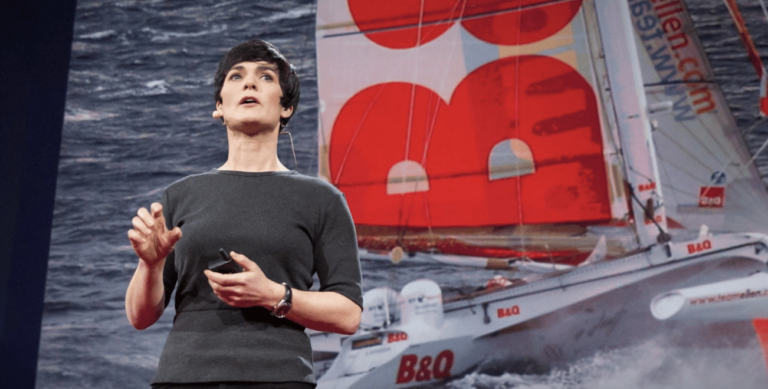
Modern consumerism has turned waste from an inevitable by-product into a defining planetary challenge. Plastics choke oceans, landfills burn across developing nations, and the demand for critical minerals far exceeds supply. The Foundation sees the solution as a business opportunity. A simple redesign that eliminates waste and pollution, circulates products and materials, strengthening economies and protecting nature simultaneously.
A solution so global requires collaboration, and this is something the Foundation has been highly successful in fostering. Through one of the world’s largest circular economy networks with members such as Amazon, Visa and Coca-Cola, the Foundation engages with the corporations and policy makers to pilot circular business models, research and progressive policy. Reports such as the 2030 Plastics Agenda for Business reinforce their support for networks calling on businesses to work together, not just on their own, to drive market transformation.
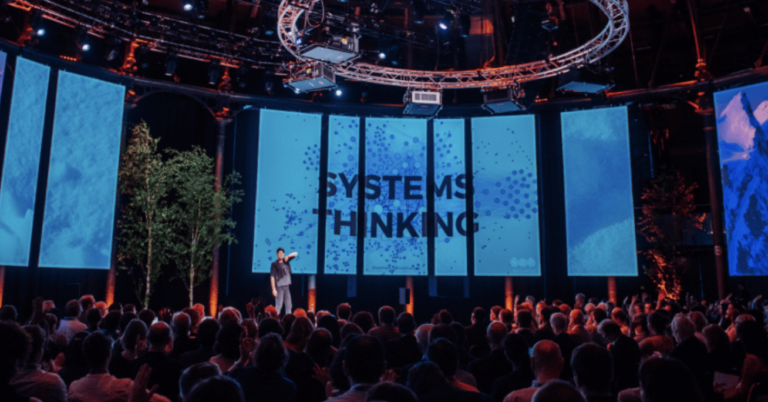
In a world still hooked on the take-make-dispose model, the Ellen MacArthur Foundation stands out as a catalyst for practical solutions. By connecting boardrooms, classrooms, and governments, it’s turning circularity from a sustainability buzzword into a blueprint for a resilient, regenerative economy.
Tech start-up: Verne
National grids worldwide are straining under surging electricity demand from electrifying industries, EVs, and data centres. This growing pressure has exposed a fault in the energy transition: as grids falter, industries are increasingly turning back to diesel generators to keep operations running. It marks a worrying reversal and a quiet but rapid return of one of the most polluting fuels on the planet.
This edition’s tech start-up, Verne, founded by Ted McKlveen, seeks to address the challenges in backup electricity demand and off-grid electricity production through cryo-compressed low-carbon hydrogen technology, a solution built to replace diesel entirely, not just supplement it.
Hydrogen liquification is expensive, while pure compression yields very low energy density. Verne’s cryo-compressed hydrogen, stored cold and under pressure, sits between the two, cutting costs by 40% compared to liquefaction and compression. It’s a dense, efficient energy carrier similar to diesel or natural gas, making it a clean replacement in generators and an important development in an era where diesel generators are growing in prominence.
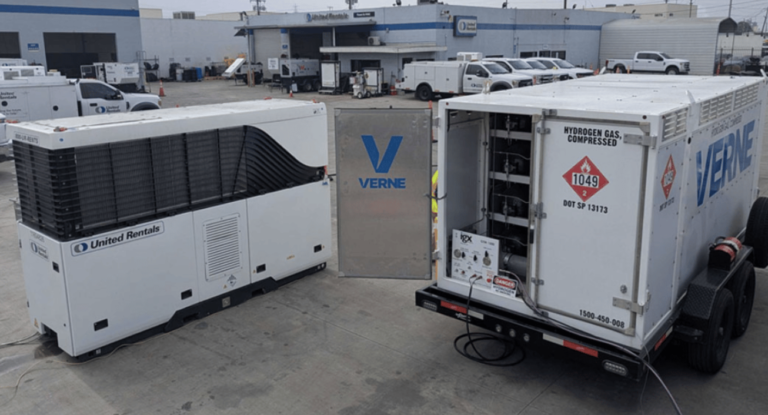
Beyond off-grid generation, Verne also targets data centres, one of the fastest-growing electricity consumers. Electricity demand from data centres has grown significantly and is expected to double by 2030. Strained grids lack the capacity and flexibility to absorb renewable power, forcing curtailment, delaying new connections, and heightening fossil-fuel reliance. Most data centres rely on diesel backup generators, used only as safeguards against outages. Verne’s hydrogen systems could instead run 24/7, easing grid pressure and eliminating local emissions. This transforms backup power from a carbon liability into a clean asset.
By leasing hydrogen generators and supplying clean hydrogen fuel, Verne ensures on-site generation aligns with the energy transition rather than legacy polluting tech. Verne is rethinking hydrogen’s role in the energy transition; its approach is commercially viable, competitive with diesel, and supports renewable grid integration.
As of 2025, Verne has deployed multiple hydrogen-to-power projects, opened its first manufacturing facility, and secured sales agreements for over 1,000 storage systems annually. As the world quietly slides back toward diesel, Verne offers a modern and clean alternative that seeks to eliminate the dangerous dependency between diesel generators and the quest for electrification.
Website: https://www.verne-power.com/
Challenge: The Deep Sea Dilemma
As mentioned earlier in the newsletter, the increasing need for critical minerals across so many industries, including renewables, AI and EVs, is creating a supply squeeze that can have significant environmental and social consequences. More mining means more extraction and, subsequently, more environmental and social harm. To ease the pressure, researchers have begun exploring alternative deposits beneath the ocean floor, where rich reserves of copper, cobalt, nickel, zinc, silver, gold, and rare earth elements lie alongside diverse marine life. Deep-sea mining aims to retrieve these valuable mineral deposits, hundreds or even thousands of meters below its surface.
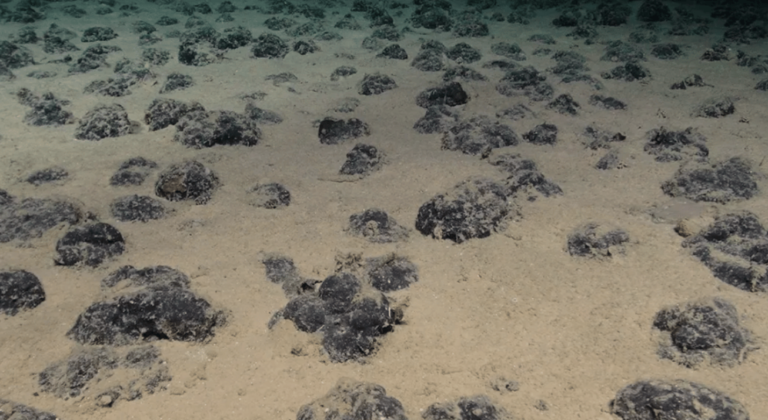
Deep-sea mining uses large robotic vehicles that scrape mineral deposits from the seabed, removing the top layer of sediment with a suction device much like a giant vacuum cleaner. Waste, such as sediments and other organic materials, is then carelessly pumped back into the sea. If these regions were lifeless, as was once believed, this process may offer a more sustainable alternative to land mining. However, the deep sea is now known to be the largest habitable space on the planet, home to tens of thousands of species and potentially millions more.
Understandably, these mining vacuums do not discriminate, and millions of organisms could die as a result. Additionally, waste deposits create murky waters, preventing the growth of phytoplankton, essential to carbon absorption and marine food webs. However, the greatest danger lies in the unknown. We hardly understand the ocean, and the impacts happen thousands of metres below the surface, far from monitoring and accountability. Unlike land-based mining, deep-sea activity is nearly impossible to oversee, much like the damaging practices of illegal trawling and fishing.
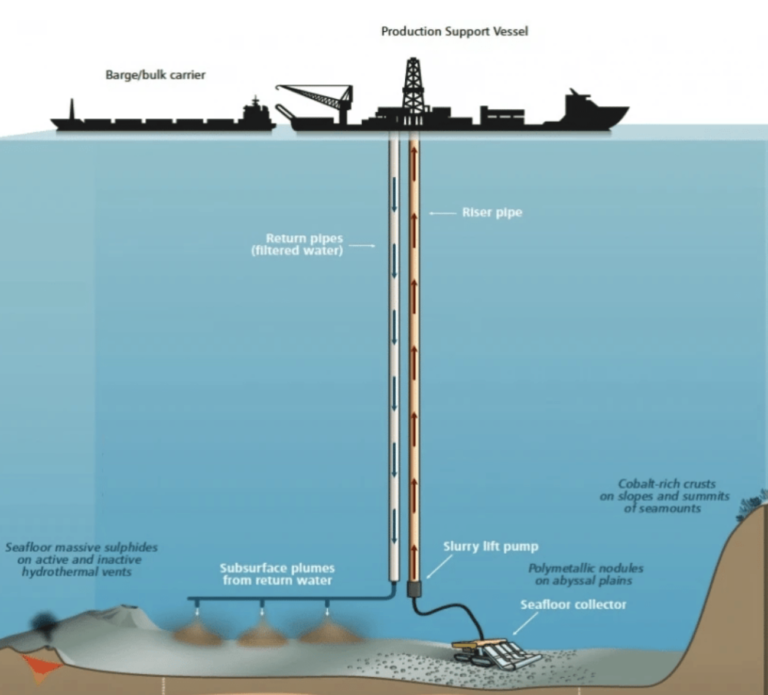
It’s clear that deep-sea mining carries profound ecological risks, both known and unknown and while critical minerals are essential for the energy transition, expanding extraction into the ocean’s depths risks trading one crisis for another. The most sustainable path lies in circularity and improved material recovery, using what we already have instead of exploiting a finite resource from sources we barely understand.
Articles on the topic:
Oceanographic Magazine: Deep-sea mining plumes could starve life in Pacific’s Twilight Zone
The Independent: Deep-sea mining risks disrupting the marine food web, study warns
Hope: From Promises to Action
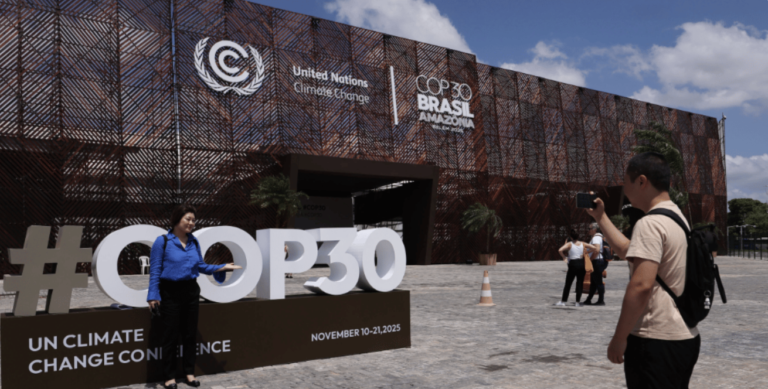
COP 30 in Belem, Brazil, begins today, 10 years after the landmark Paris Agreement was signed in COP 21. The Paris Agreement was consequential because for the first time it united nearly every nation in a legally binding framework to limit global warming to well below 2°C, establishing a universal, science-based foundation for coordinated climate action. This year’s COP could be equally influential, supported by the International Court of Justice’s ruling in July that recognised a clean, healthy, and sustainable environment as a fundamental human right. It offers a rare opportunity to build on this momentum and place human rights at the centre of climate policy.
No global progress can occur without finance, and this is especially true for COP agreements. With over 40% of the clean technologies needed for net zero now cheaper than fossil fuel alternatives, and the economic benefits of adaptation becoming clearer, a low-carbon, climate-resilient economy is here and expanding. This year’s COP will focus on key finance milestones, including finalising the rules for a UN-backed global carbon market, advancing national climate plans that create clearer investment pathways and ensuring a fair and inclusive transition, where workers, vulnerable communities impacted by climate change, and regions dependent on high-carbon industries are not left behind.
Taking place in the heart of the Amazon, COP 30 carries deep symbolic weight. Brazilian President Lula da Silva has declared that “The era of declarations of good intentions has ended: the time for action plans has arrived. That is why today we begin the ‘Cop of truth’.” It’s a statement that inspires both optimism and caution. After years of underwhelming COPs, the devastation of Hurricane Melissa and a renewed demand for action will test whether the world can finally turn climate promises into a sustainable and equitable reality.
Articles on the topic:
UNEP FI: COP 30 – a turning point for climate, human rights and the finance sector?
The Gaurdian: Amid squabbles, bombast and competing interests, what can Cop30 achieve?
Image of the week:
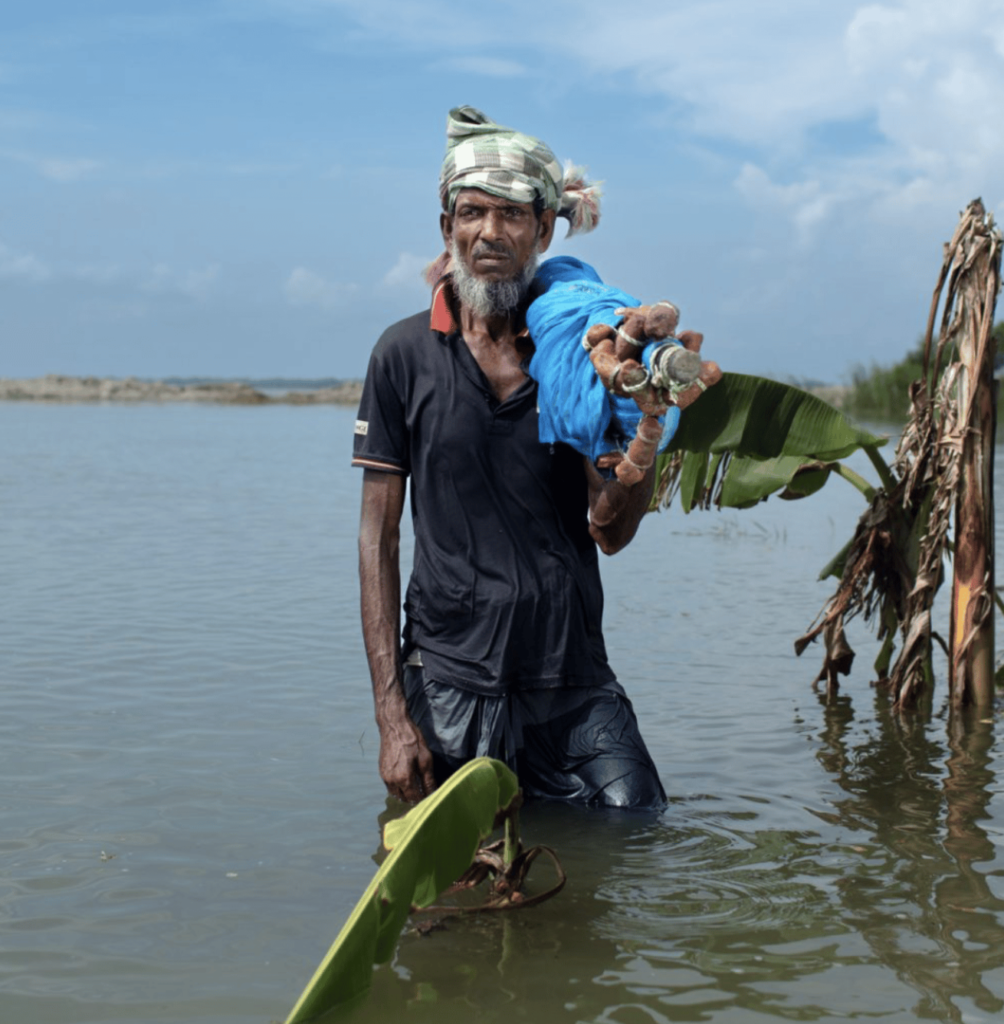
Mohammad Anwar Hossain, 65, Bangladesh
With his farmland submerged, Mohammad has turned to fishing to feed his family.
“The land I grew crops on now lies underwater. I fish just to keep my family fed – we survive from day to day, meal by meal.”
“We labour wherever we can, just to get through another day”
This week’s Image of the Week is taken from an exhibition unveiled at COP30. Titled Climate Elders, it captures how older people across 21 countries experience a changing planet, from rising heat and floods to shifting livelihoods and lost traditions. Each portrait, exhibited at Galeria Fidanza, pairs image and testimony in a powerful appeal to world leaders: to recognise ageing, dignity, and lived experience at the heart of climate policy. Created by 1in6by2030 and HelpAge International, the exhibition runs from 7 Nov – 31 Dec 2025.
Articles you may have missed:
1. It’s been a dangerous decade since the Paris Climate Agreement, but there’s still reason for hope
2. Land is Africa’s best hope for climate adaptation: it must be the focus at COP30
3. A Victorious Hamburg Climate Resolution Is a Model of Hope-Fueled People Power
4. The six pieces of data that give hope for the future of the climate
5. Solar geoengineering in wrong hands could wreak climate havoc, scientists warn
Thank you for reading!
To sign up to the newsletter, go to www.verdeindex.com
Or follow Verdeindex on LinkedIn at: https://www.linkedin.com/company/verdeindex/