
Securing the Energy Transition
By Oscar Petterson Fuentes
Introduction
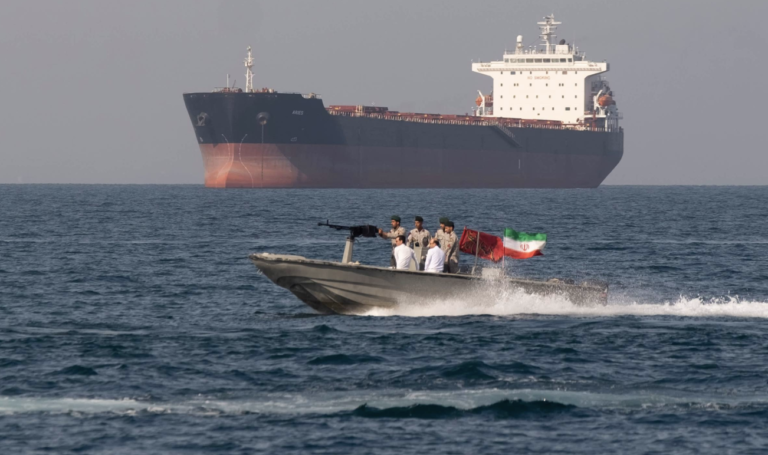
The recent crisis in the Strait of Hormuz has made one thing clear: imported fossil energy exposes nations to serious risks to energy security. While many in the industry conclude that domestically produced renewable energy offers the perfect hedge against this risk, it must be noted that renewables entail energy security risks of their own.
This edition will explore those risks and introduce an emerging technology aimed at ensuring the transition is not stalled by security threats.
The Problem
Renewable energy is not simply a wind turbine, a solar panel or a hydroelectric dam. For renewables to occupy the power-generating capabilities that fossil fuels previously produced, a significant amount of electricity distribution infrastructure is required. A significant portion of this infrastructure exists under the sea.
The need for subsea cables really falls under two main buckets. First, subsea cables are a necessity to connect offshore generation such as wind to land and with global offshore wind capacity expected to triple by 2030, from 83GW in 2024, subsea cables will only grow in importance.
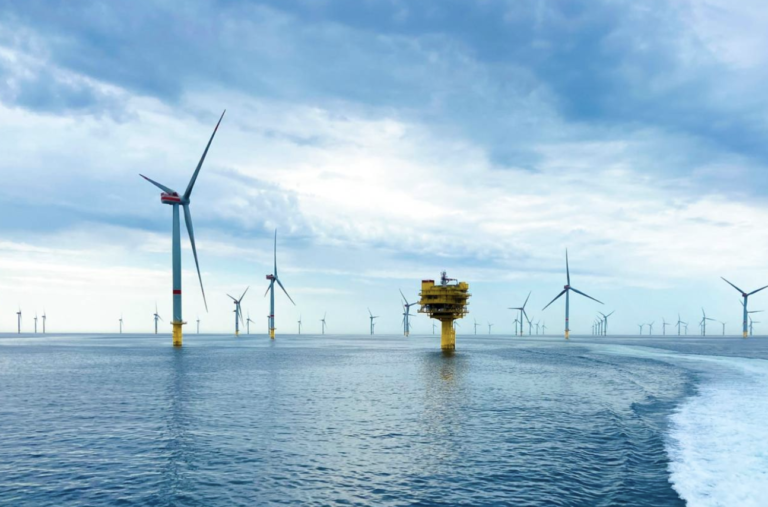
Beyond site-level infrastructure, the energy transition is characterised by an increasingly interconnected and dynamic distribution system across states. With subsea cables being built across Europe to connect nations with certain geographic advantages to others, this ensures that, no matter the conditions, energy can be sold and traded across borders, helping optimise supply. Subsea cables enable energy to be sold across borders when domestic supply is too high, or imported quickly when supply is too low.
The problem, however, is that while this infrastructure is being deployed at scale, the industry is concerned that not enough provision is being made to protect this vital infrastructure from damage, disruption, and, increasingly, deliberate attack.
On the Ground: Estlink 2
Estlink 2 is a 170-kilometre high-voltage underwater electricity interconnector linking Finland and Estonia, boasting a transmission capacity of 650 MW, playing a critical role in stabilising energy flows and unifying the Baltic and Nordic power markets
On the 25th of December 2024, an unplanned failure in the interconnection was detected, and concerns were immediately directed towards potential sabotage. Quickly, the Eagle S, an oil tanker in the Russian Shadow Fleet, was identified as a suspect. Finnish authorities intercepted and boarded the ship, escorting it into port. The investigation tracked the ship’s movements and found that the outage was reported at the exact moment the ship crossed over the cable, and identified a drag mark spanning tens of kilometres on the seabed created by a dropped anchor.
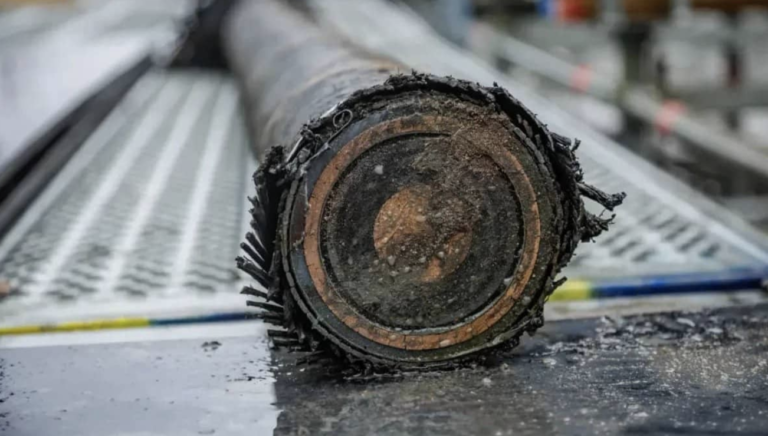
The Estlink 2 disruption was never confirmed to be deliberate, and the criminal prosecution fizzled out, yet repairs took half a year to complete, at a cost exceeding €80 million. Whether or not this particular incident was deliberate, it fits a broader pattern: repeated damage to global subsea cables that increasingly resembles a hybrid warfare strategy, one in which critical infrastructure, an ever-growing share of it tied to the renewable buildout, sits in the crosshairs of geopolitical struggle.
Articles on the topic:
The Guardian: Finland-Estonia power cable hit in latest Baltic Sea incident
The Missing Piece
The main gap identified in this piece is a lack of provision around security. As politicians and renewable energy advocates point to the 2026 Strait of Hormuz crisis as proof that fossil fuel dependency is a long-term liability, that argument only holds if the alternative is genuinely more secure, meaning transition infrastructure must carry the same rigour on security as it does on capacity. Politically, visible steps to make infrastructure more secure can also play a role in building public support for government energy transition investment, strengthening the democratic mandate behind the transition itself.
This gap matters most acutely from an investment standpoint. A lack of security adds a layer of risk that extends across a renewable energy project’s lifetime. Traditionally, de-risking events happen as time goes on, as a project becomes operational and builds a proven track record over a number of years. However, the unpredictability of threats to critical subsea infrastructure creates an underlying operational risk that does not diminish with time. By embedding protective provisions into this infrastructure, threats can be detected and accounted for. That gives investors and lenders confidence that risk is managed across the asset’s full operational lifetime.
Security, then, is the missing piece across all three registers: national resilience, public legitimacy, and investor confidence. But with thousands of kilometres of subsea cable already in the water, and offshore wind capacity alone set to triple by 2030, the question is how you possibly monitor and take preventative measures at that scale.
Company in Focus: FiberSense
One of the more promising answers isn’t a new piece of hardware; it’s a smarter way of using the cables already there. FiberSense, a Sydney-based startup founded by Dr Mark Englund, uses a technology called distributed acoustic sensing. In simple terms: every subsea cable already contains fine glass fibres. By shining laser light down these fibres and measuring how it bounces back, FiberSense can detect the tiniest vibrations, anywhere along a cable, across long stretches of the cable network. No new equipment needs to be installed on the seabed; the cable itself becomes the sensor.
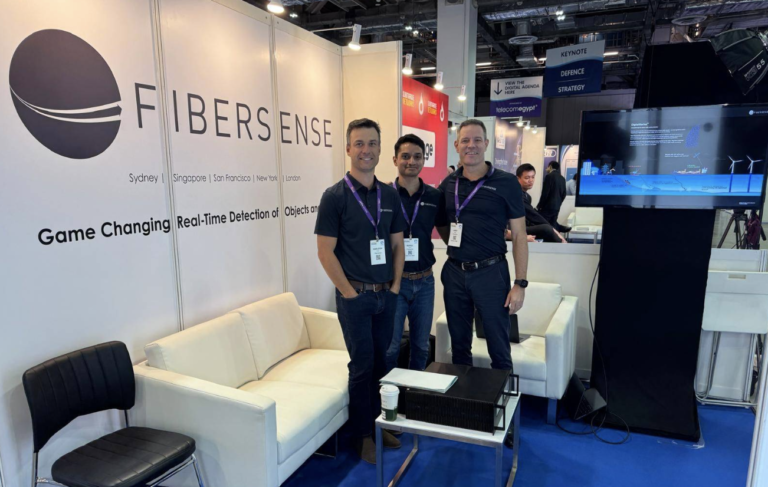
Its subsea product, DigitalAsset Marine, uses this to spot ships lurking near a cable in real time, cross-referencing this with ship-tracking data so an operator can identify a vessel and warn it off before any damage happens, exactly the kind of early intervention that might have stopped an incident like Estlink 2 before it started. This isn’t theoretical: FiberSense says it turned the existing fibre on Basslink’s 300km subsea power interconnector into a continuous sensor, sharpening fault location from several kilometres to precise GPS coordinates, in what it describes as the first deployment of its kind for a marine power interconnector anywhere in the world.
Here’s what makes this so useful: anyone can buy it. FiberSense sells directly to the companies that build and operate cables, not to governments or navies. That matters, because right now, the people losing money when a cable is damaged, wind farm developers and grid operators, have no easy way to protect their own assets. It also means these companies can catch problems early, cutting the cost of inspection and repairs, rather than discovering damage only after something has gone wrong.
Verdeindex View
This technology has the potential to become a prerequisite of any subsea or offshore infrastructure proposal, aligning critical infrastructure development with a pressing need for energy security.
What makes this notable is that large developers no longer have to wait on government procurement to protect the assets they've built. They can back solutions like this directly, with their own balance sheets. That matters more than it might first appear: capital moves faster than defence budgets, and developers have every commercial incentive to fund the innovation that protects their returns.
The open question is how quickly the industry acts on this risk, before the next Estlink 2 forces the issue.
Sign up to the newsletter
New editions, sent as they're written. No spam, unsubscribe any time.
Sign up →