
Verdeindex Edition 06
By Oscar Petterson Fuentes
Non-profit: NatureServe
NatureServe is a nonprofit based in the USA, with CEO Anne Bowser valuing the leveraging of science and technology to create environmental and social good. They provide information on the conservation status of the world’s plants, animals, and ecological communities. Experts from the NatureServe Network and other partners develop maps, models, and metrics that document and predict distributions, evaluate threats, assess extinction risks, document trends, and identify priority conservation areas. This data is crucial in maintaining species diversity and sustaining healthy ecosystems in areas undergoing rewilding or conservation in general.
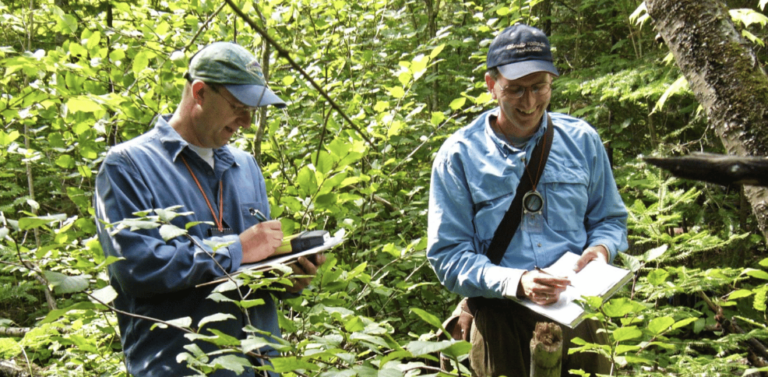
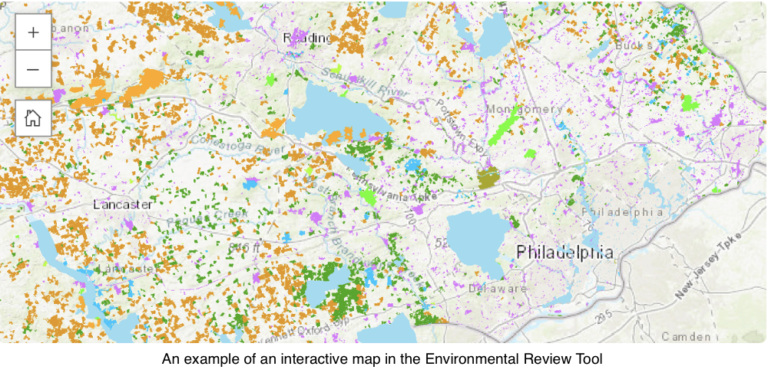
NatureServe takes a multi-faceted approach to data analysis. They have assembled a standardised list of all the species in North America, making sure that all of their data about species and ecosystems are consistent. This is important for conservation as their common standard ensures that conservation status assessments are valid and that the data is ready to be used to guide species management decisions. They have also made significant progress in assessing biodiversity status and threats. Scientists working for NatureServe conduct significant research and tests to determine which species and ecosystems are most at-risk and which are currently stable; allowing for effective data-based conservation strategies.
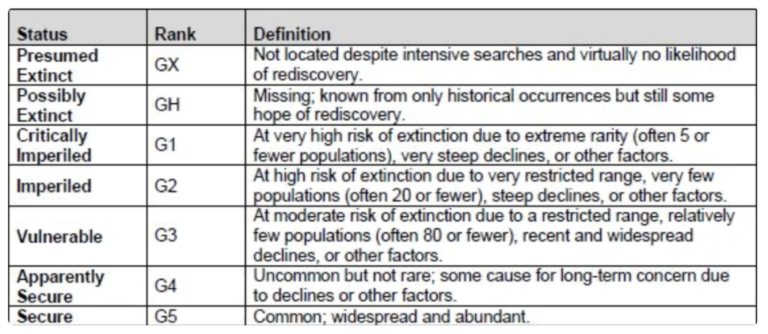
NatureServe’s data management systems have resulted in the most standardised set of biodiversity data in North America and this has been made possible through the tools they have developed. They created the Environmental Review Tool, which provides interactive access to natural resource data and is highly customisable for any agency that requires specific data. This tool means that organisations do not have to gather their own expensive data and instead provides them a greater access to natural resource data for a fraction of the price. This is crucial, as maintaining and increasing biodiversity is expensive, with funding being a major issue in the biodiversity discourse. Moreover NatureServe has developed a number of dashboards that visualise the health and trends of biodiversity; monitoring key biodiversity indicators to inform organisations where and what conservation is needed. NatureServe has also developed a software to combat invasive species, drivers of ecosystem decline and an issue I wrote about in edition #4. iMapInvasives is their cloud based tracking solution, which informs conservationists in real time of any observations of invasive species. This software, which works in conjunction with other invasive species mapping platforms, enables early detection providing effective invasive species management on the county, state and international level, which is crucial for any effort to protect biodiversity and the environment.
NatureServe facilitates high quality data that is openly available to professionals in the conservation field. Anything that makes conservation cheaper, more effective or of higher quality is paramount in reaching biodiversity and sustainability goals globally.
Website: https://www.natureserve.org/
Tech start-up: Synhelion
The expansion and scaling of solar energy globally has become one of the success stories of the sustainability movement. Today’s Swiss tech start-up, Synhelion, similarly uses the power of the sun, but instead of using this to produce electricity, they harness solar radiation to produce a carbon-neutral liquid fuel. Dr. Gianluca Ambrosetti co-founded Synhelion alongside Dr. Philipp Furler and as scientific advisor for the company sits Dr. Aldo Steinfeld, whose work has pioneered the ongoing transition from fossil to renewable fuels.
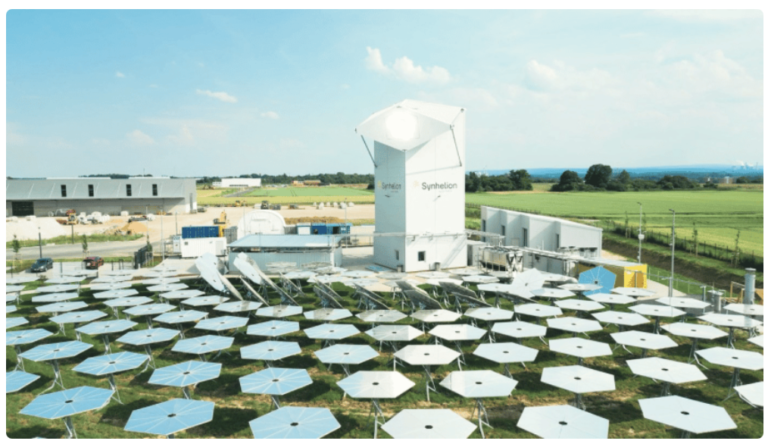
Synhelion uses solar heat to convert fresh air (water and Co2) into a liquid synthetic fuel, which can be used in transport such as cars, ships and importantly aviation. The process, simply put, begins with mirrors that track the movement of the sun to direct solar radiation onto a solar receiver. The product of this is clean solar process heat at temperatures between 1200-1500 degrees. Some of this heat is fed into a thermochemical reactor that produces syngas, a mixture of hydrogen and carbon monoxide.The rest of the heat is fed into a thermal energy heat storage. The stored heat allows for uninterrupted 24/7 fuel production during the night or in cloudy periods. The syngas produced in the thermochemical reactor is converted into synthetic crude oil using a gas to liquid technology. The synthetic crude oil is then refined into solar jet fuel for planes, diesel for ships and trucks and gasoline for cars.
This solar fuel is carbon-neutral as it only emits as much carbon during its combustion in engines as was captured when producing the fuel. This means that this process is a closed material cycle and no additional CO2 is emitted into the atmosphere. Using the sun has also been proven by the growth in solar energy to be highly scalable and these solar fuel plants can be installed on non-arable land. Another important feature is that Synhelions solar fuel is compatible with existing combustion engines and global fuel infrastructure. This is important as one of Synhelion’s aims is to tackle the polluting transportation sector, especially aviation and sea freight, which has proved difficult to electrify. The potential of making aviation one of the largest obstacles in the sustainability discourse net-zero is exciting.
Currently, Synhelion has one industrial-scale solar fuel plant in operation, named DAWN, which was inaugurated in June of 2024. Synhelion’s next plant, RISE, is being built in Spain and will be Synhelions first commercial solar fuel plant which will produce 1,000 tonnes of solar fuel per year starting in 2027. This is far short of the 257.82 million metric tonnes of jet fuel used by the aviation industry; but solar fuel in combination with other technologies; such as hydrogen and biofuels; will hopefully propel sustainable aviation fuels towards replacing polluting fossil fuels.
Website: https://synhelion.com/
Challenge: A climate induced health crisis?
Climate change has long been described as a security, environmental and social issue, but studies into the impacts of climate change are now discovering the serious health concerns that climate change poses. The WHO estimates that climate change will cause 250,000 additional deaths every year from malnutrition, malaria, diarrhoea and heat stress alone. Dr. Vanessa Kerry, WHO director-general recognises the importance of a joining climate and health discourse stating that:
- “Poor health destabilises economies, widens inequalities and drives political unrest. When people cannot access essential needs for their families and lives, it leads to political and social instability. We must address health as a fundamental part of our climate response to prevent these cascading effects.”

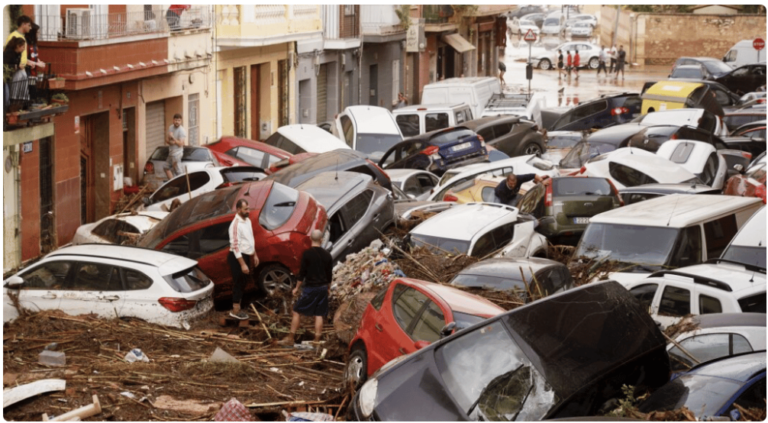
The physical impacts of climate change on health are varied with heat, extreme weather, air pollution and the spread of infectious disease all becoming an increasing concern. The planet is warming and in the recent The Lancet Countdown report on health and climate it was stated that the number of over-65s who died from heat has risen by 167 percent since the 1990s. Moreover, in countries such as India where extreme heat has become unbearable, with New Delhi recently experiencing temperatures exceeding 50 degrees celsius, the heat has led to 700 deaths and more than 40,000 cases of heat stroke across India. Extreme weather events are also increasing in severity and frequency, with the recent floods in Spain killing at least 214 people. Hunger is also expected to rise, in the most vulnerable communities, as extreme weather hits global crop production. These extreme weather events are occurring across the globe leading to detrimental impacts on economies and societies.
Air pollution is another serious concern as now 99% of the world’s population breathes air that exceeds the World Health Organization’s guidelines for air pollution. Almost seven million premature deaths are linked to air pollution every year, due to the risk of respiratory diseases, strokes, heart disease, lung cancer, diabetes and other health problems that air pollution exacerbates. In the same Lancet report some positive news came out which was that deaths from fossil fuel-related air pollution fell by nearly seven percent from 2016 to 2021, largely as a result of the reduction in coal use globally.
Finally, the risk of infectious disease, the severity of which we are all aware of from the Covid pandemic, is growing due to human’s encroachment into nature and the increased stagnant water (breeding grounds for mosquitos) left behind after floods and storms. Earlier this year, a report from the World Economic Forum said global warming will cause a catastrophic rise in mosquito-borne diseases, with an additional 500 million people being exposed by 2050
Articles on the topic:
VOA news: Climate, health crises must be resolved together, experts say – VOA News
Medical Xpress : Heat, air pollution, disease: How climate change affects health – Medical Xpress
Hope: MPA's in the Azores
Earlier this month a historic legislation was passed, which protects 30% of the Azorean Sea, making it the largest marine protected area in the North Atlantic. A marine protected area (MPA) is area of the ocean established to protect habitats, species and processes essential for healthy, functioning marine ecosystems by limiting human activity.
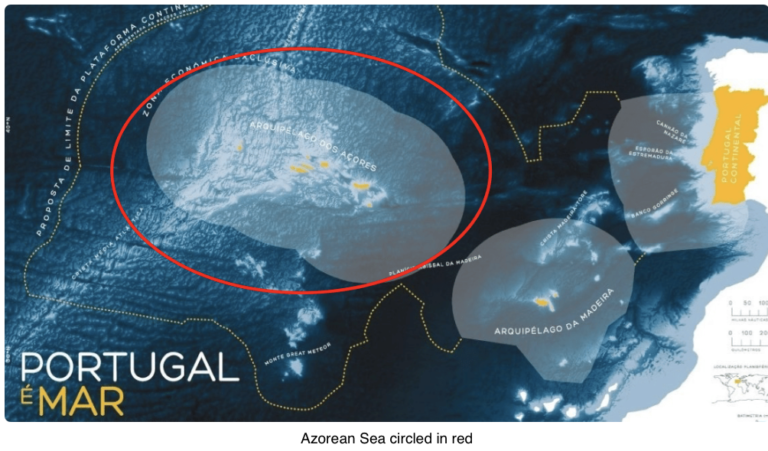
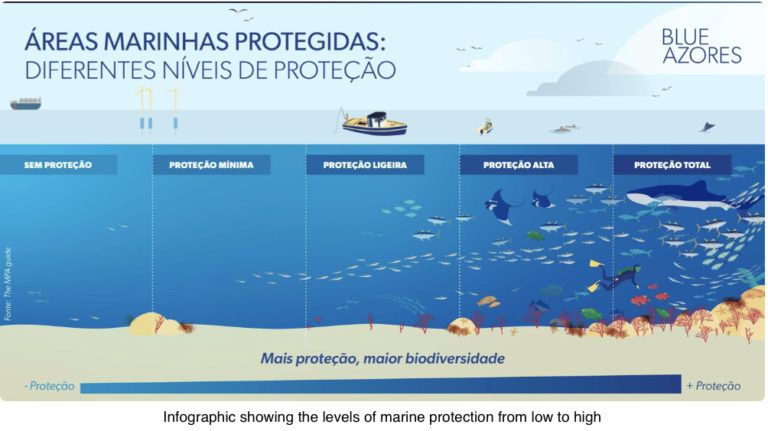
Located in the heart of the North Atlantic, the Azores is an archipelago of nine Portuguese volcanic islands; with the surrounding sea covering 1,000,000 km²; 15% of the European marine area. This sea is home to diverse ecosystems including: deep-sea coral habitats, hydrothermal vents, and critical habitats for sharks, whales, and other marine life. Under the MPA there are different protection levels ranging from full protection, which means there is a full prohibition on extractive activities to minimal protection, which still allows for extractive activities. This range is crucial in implementing a successful MPA as balancing conservation needs with the needs of the local economy is essential. This balancing act was successful in the case of the Azores MPA as the legislation was the result of extensive consultation, with the Azorean government conducting over 40 meetings involving stakeholders from the fishing industry, maritime transport, tourism operators, and environmental organisations. The interactions with all the different stakeholders in conservation decisions is critical in passing legislation that is sustainable and effective.
Safeguarding 30% of the Azorean sea aligns with the Kunming-Montreal Global Biodiversity Framework, where 196 countries have committed to protecting 30% of the world’s lands and oceans by 2030. Deploying MPAs globally will have many positive environmental impacts, from renewed biodiveristy to increased research capabilities, but importantly MPAs have been proven to replenish fish stocks. This is particularly important for coastal economies who in recent years have seen drastic declines in fish populations, having a greater impact on the poorest and most vulnerable communities around the world . The Azores MPA is a huge step forward for protecting biodiversity around the world and hopefully more countries follow suit in order to meet the goals set in the Global Biodiveirsty Framework.
Articles on the topic:
Sea Shepherd: Azores Declares Europe’s Largest Marine Protected Area: A New Era of Ocean Defense
Mongabay: The Azores creates largest marine protected area network in the North Atlantic – Conservation news
Reuters: Azores create largest marine protected area in North Atlantic
Image of the week

This editions image of the week is one of frustration depicting Tina Stege the climate envoy for the Marshall Islands walking out of a COP 29 meeting. This follows reports that leaders and representatives for nations most at risk of climate change walked out of the UN climate talks as talks went into overtime.
This years COP was said to be the ‘finance’ COP, where developing nations have asked for $1.3 trillion from developed nations to help them adapt to the immediate consequences of climate change, such as droughts, floods, rising sea levels and extreme heat. 33 hours after the supposed closing of the COP talks, a deal was struck, which pledged $300bn a year. Short of what developing nations asked for, but a recognition from developed countries that developing nations bear a disproportionate burden from climate change, whilst also having historically contributed the least to climate change.
A furious speech, following the announcement of the deal, from the Indian delegation, in which she stated “The amount that is proposed to be mobilised is abysmally poor. It’s a paltry sum”, echoed the frustration of many. The chair of the Alliance of Small Island States, Cedric Schuster, said: “Our islands are sinking. How can you expect us to go back to the women, men, and children of our countries with a poor deal?”. It seems the deal was too little too late
The lackluster deal and the walk-outs are discouraging yet we must also understand that these COPs do matter. For many developing and small island nations, like those who staged the walk-out, the UN stage is their chance to have a voice and pressure for action on an issue that, for them, is a matter of life and death. We shall see how the COP negotiations will be affected by a Trump presidency and if this presents an opportunity for China and Europe to lead future climate talks.
Articles you may have missed:
1. Huge election year worldwide sees weakening commitment to act on climate crisis
2. Expert reaction to closing stages of COP29 – Science Media Centre
3. As fast fashion’s waste pollutes environment, Ghana designers find a solution – VOA News
4. Climate change and corruption: a toxic combination – Verdict
5. How will China impact the future of climate change? You might be surprised – NPR