
Verdeindex Edition 08
By Oscar Petterson Fuentes
Non-profit: Sea Shepherd
Sea Shepherd is a non-profit that operates in 19 countries worldwide to defend, conserve, and protect marine life. CEO Alex Cornelissen and Sea Shepherd take a unique approach to conservation and focus on direct action campaigns that tackle illegal exploitation and environmental destruction of the seas. Sea Shepherd’s direct action campaigns don’t involve petitions, protests and sustainable natural resource management implementations; instead, they utilise a fleet of 10 ships to haul in fishing gear, disrupt the activities of illegal fisheries and enforce marine laws.
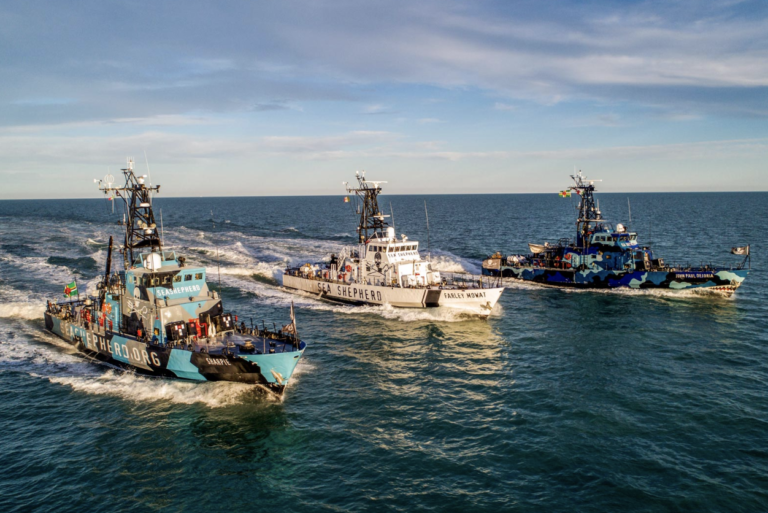
This idea of enforcing the United Nations World Charter for Nature laws, when nations may lack the resources to do this themselves, is fundamental to global and national biodiversity and conservation goals. Illegal and unregulated fishing is conducted by poachers, trawlers and cartels, entities that have no regard for the law and therefore surpass fishing quotas and fish species to extinction. An estimated 15-40% of the total global catch is caught illegally and this becomes an even greater issue once we understand that tackling this illegal trade is difficult. There exists international marine laws however, these practices occur far outside the eyes of national authorities and the lack of monitoring of the high seas is shaped by a lack of political will, a lack of economic resources or transnational boundaries that blur jurisdiction. Sea Shepherd acts to fill this void.
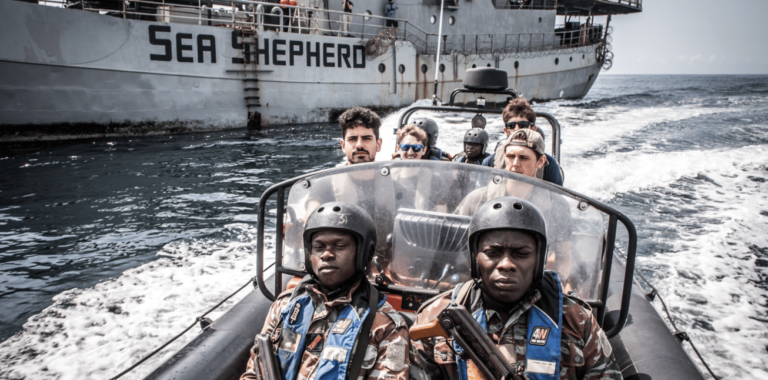
Sea Shepherd is run almost entirely by volunteers meaning they avoid many of the bureaucratic and monetary inefficiency issues that many non-profits face. With only a handful of paid employees, donations are effectively channelled towards their direct action campaigns. This can be seen in the sheer amount of campaigns they have conducted since their foundation in 1977. From Operation Antarctica Defence in the Southern Ocean to disrupt poachers and illegal trawlers to Operation Living Fjords in the North Atlantic, which aims to stop the Grind, a traditional practice of mass killing of pilot whales and dolphins in the Faroe Island, by documenting these killings and spreading awareness across the world. Sea Shepherd battles environmental injustice all over the world, which solidifies their role in conservation and in helping nations achieve their sustainable development goals
Website: https://seashepherd.org/
Tech start-up: Impossible Metals
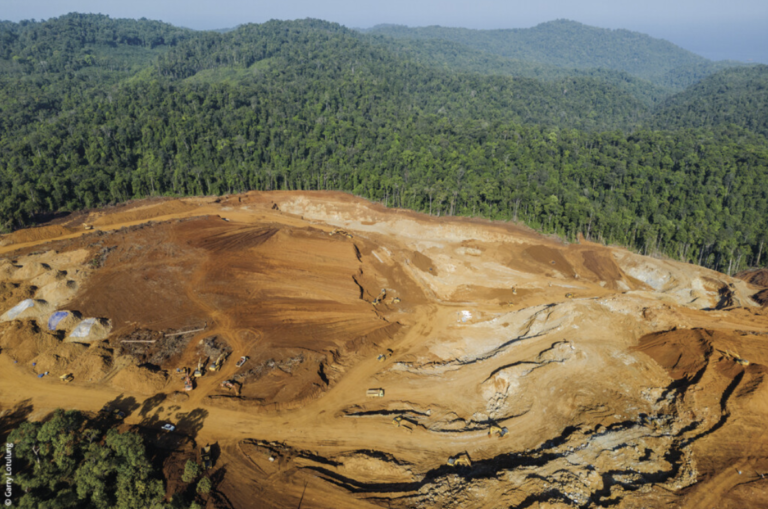
Impossible Metals was founded by Jason Gillham and Oliver Gunasekara in 2020, with the idea that responsible seabed mining will drive a truly responsible transition to circularity. Seabed mining refers to the extraction of potato-sized rocks, 5000m below sea level that hold vast quantities of metals like cobalt, copper and nickel. These metals are essential for future electrification and with the rise in electric vehicles (EVs) and renewable energy storage systems, essential battery metals such as these are growing in demand. Mining for these metals today usually occurs on land in biodiversity-rich areas such as Indonesia, the world’s largest nickel producer, where mines have led to toxic discharge into waterways and extensive deforestation. Impossible Metals understands the importance of mining for human civilisation and development, which is why they are pushing for a type of mining with the least impact on the environment and biodiversity.
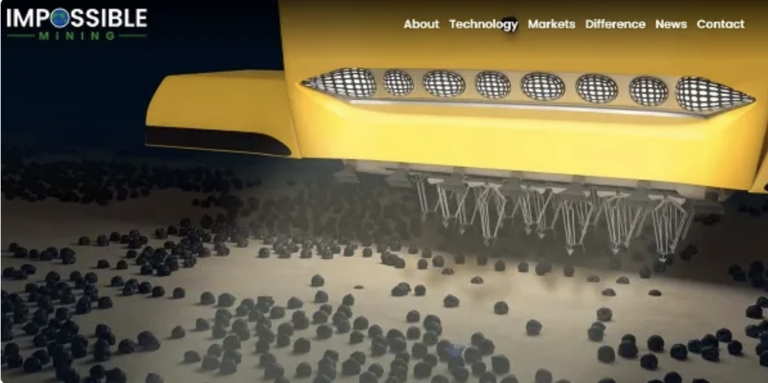
Impossible Metals have designed autonomous underwater vehicles (AUVs) that use sensors and robotic arms to pick up rocks with precious metals on the ocean floor. Some of the benefits of this technology are that no cables are needed, reducing the amount of infrastructure and facilitating an easier mining system. Marine biologists have highlighted the destructive impacts of deep ocean mining on marine life on the seabed. Existing seabed mining systems such as sea rock dredging, hoover up rocks to the surface using long cables and therefore destroy sea bed ecosystems. However, Impossible Metals AUVs alleviate this by hovering above the seabed minimising sediment disturbance and therefore having a minimal impact on seabed ecosystems. Moreover, this innovation once scaled can lead to wider systems changes and have valuable impacts on protecting biodiversity due to reducing the reliance on land mining.
Quantity in mining is essential and by 2026 Impossible Metals has plans to develop Eureka III AUV with a 4 tonne payload, a huge improvement on their current Eureka II technology with a 100 kg payload. If Impossible Metals achieves its goal of having a fleet of Eureka III AUVs, it will prove that sea-bed mining can be economically efficient whilst having a minimal environmental impact. This win-win will undoubtedly set precedence in the mining industry and as more companies tap into this vast rare earth metal deposit supply will increase, decreasing the price of EVs and renewable energy infrastructure. The vast deposits of rare earth metals on the ocean floor offer a unique opportunity, which must be explored. If we can sustainably extract these metals we can not only protect biodiversity from destructive land-based mining, but we can also accelerate our transition towards renewable electrification.
Website: https://impossiblemetals.com/
Challenge: Geopolitical doom loop!
A worrying self-sustaining feedback loop is emerging in the climate discourse. Climate change is making geopolitics less stable, which harms climate action. This makes climate change worse and therefore geopolitics even less stable. This doom loop will continue until we run out of time to phase out fossil fuels and mitigate the worst impacts of climate change.
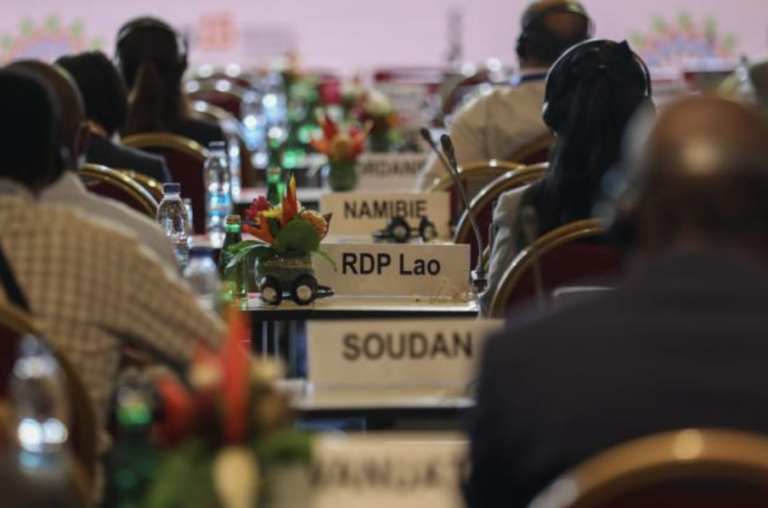
Nationalism and geopolitical tensions have been a driving factor behind unproductive global climate talks. In the recent COP 29, many leaders stayed at home busy dealing with geopolitical tensions and crises and this partly led to the ‘failed’ finance COP. Author Amitav Gosh argues that geopolitical disparities are fundamental to the dynamics that have repeatedly thwarted efforts to reach a global agreement on rapid decarbonisation.
- “…it could be said that conflict and national rivalries are fundamental drivers of climate change, yet these issues are rarely discussed in conferences on global warming, which have come to be focused rather on technocratic and economic solutions.” – Amitav Gosh
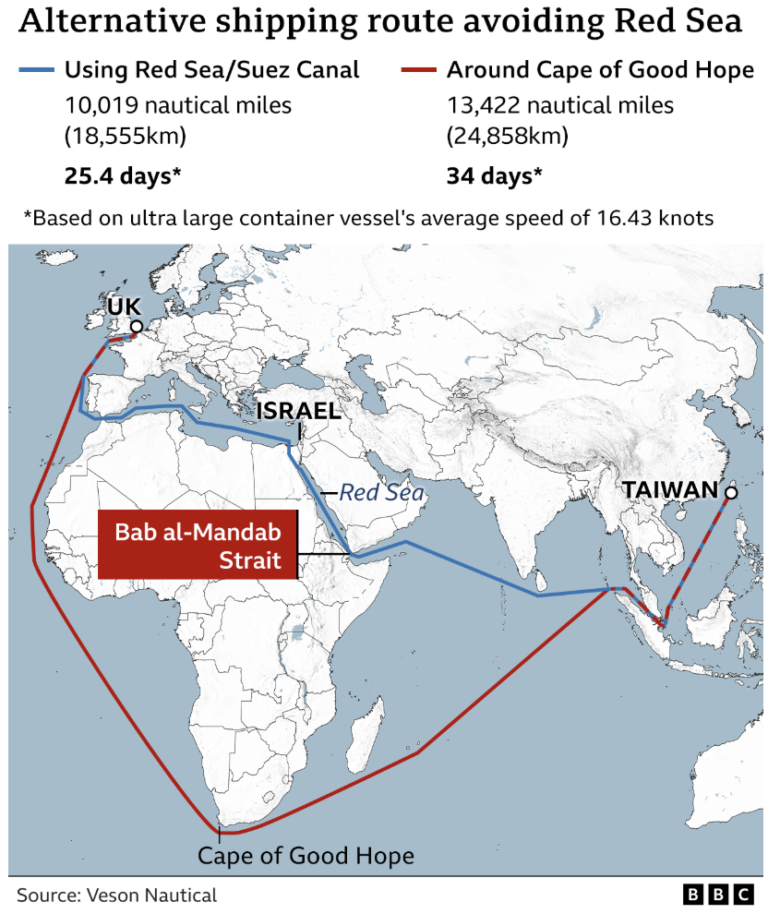
Geopolitical tensions not only impact climate talks, but these tensions can also increase CO2 emissions through re-directed shipping routes. The ongoing tension and conflict in the Red Sea has led to a re-routing of many shipping routes between Asia and the West away from the Suez Canal and instead past the Cape of Good Hope, which adds 7-10 days to shipments. This is significant as the shipping and aviation industries are lagging in decarbonisation efforts, contributing to 3% of global CO2 emissions. Climate change can also have a direct impact on geopolitics. The impact of climate change on severe weather exacerbates water and food scarcity, higher prices, conflict in natural resource management and mass migration. These consequences all have alarming implications for global peace and security.
The impacts of geopolitics on climate change and CO2 emissions is alarming, yet this doom loop has the opportunity to accelerate virtuousness. Following WW2 there was a drastic change in attitude towards human rights, decolonisation and legal production and even recently the election of Trump in 2016 spurred climate activism globally. In the face of disaster humans are spurred into action, however, in the case of climate change we cannot wait until this point and recognising that climate change is a disaster whilst it is still largely solvable is paramount.
Articles on the topic:
The Conservation: A ‘doom loop’ of climate change and geopolitical instability is beginning
Hope: Our journey to climate awareness
Climate change is one of our greatest challenges and understanding how we got to the understandings and agreements we have in place today, provides an insight into the dynamic nature of human cooperation and the exchange of knowledge.
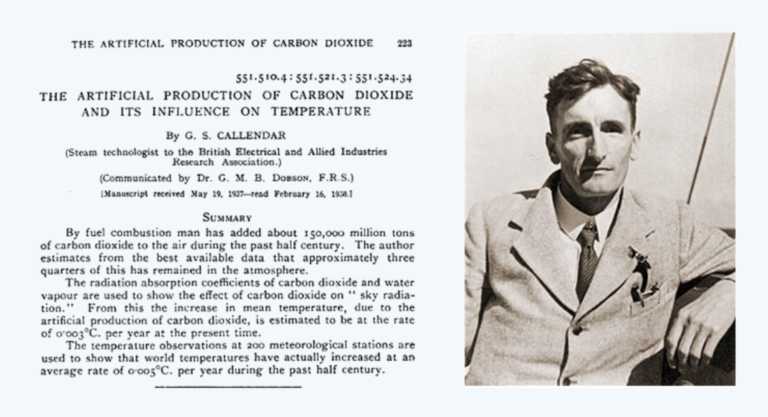
In 1824, French physicist Joseph Fourier wrote that the Earth’s temperature can rise because the atmosphere traps heat. Light heat passes through the air easily, but once it turns into non-light heat, it has a harder time escaping back into the air. This was the basis of the greenhouse effect and it was in 1856 that Eunice Foote, an American woman, suggested that changing amounts of carbon dioxide and water vapour in the atmosphere could change the climate and in 1959 Irish physicist John Tyndall measured and explained this phenomena using long-wave infrared radiation. These early insights into the greenhouse effect were solidified by Guy Callendar, who in 1938 showed that human activity was responsible for increasing CO2 levels, which could impact the climate.
Despite this early progress, these findings were unable to receive the acceptability they deserved and it was not until 1970 that the Conference on Human Environment in Stockholm became the first global summit to highlight the growing concerns associated with climate change on the international level. From this point, the climate discourse began to ramp up and in 1985 a hole in the ozone layer was discovered by British Antarctic Survey scientists Joe Farman, Brian Gardiner and Jonathan Shanklin. This discovery led to the Montreal Protocol, a binding agreement to phase out ozone-depleting substances, which Former Secretary-General of the United Nations Kofi Anan described as “perhaps the single most successful international agreement to date”.
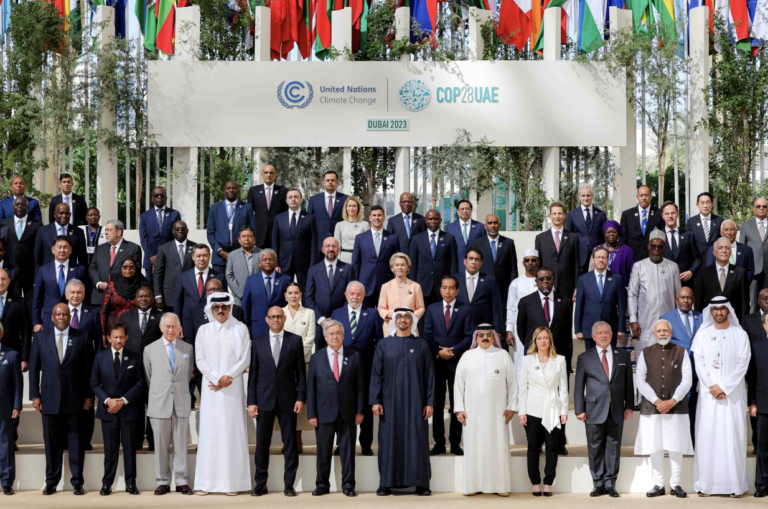
40 years on and several frameworks for climate change have been set up. Most notably the United Nations Framework Convention on Climate Change dictates climate policy and decision-making on the global stage with annual COPs covering issues such as biodiversity (last held in Colombia), desertification (last held in Saudi Arabia) and importantly the yearly global COP summit, which in 2024 was held in Baku. These meetings although often facing criticism provide a setting for discourse and are a clear sign of how we have evolved in climate talks since the 20th century.
This hope section was written to outline how scientific knowledge progresses and while progress on reaching a consensus on human-induced climate change was gradual, this agreement in the scientific community now provides a fundamental basis for progress. If certain politicians continue to deny climate change and its impacts, we risk obscuring this critical scientific consensus that has been over 200 years in the making. Such an agreement on the scientific stage is rare and a source of hope as a deeper understanding of the science behind climate change translates into better governance.
Image of the week

Maya Lin: Ghost Forest, May 10 – November 14, 2021, Madison Square Park
This week’s featured image highlights a powerful public art installation in New York by American artist Maya Lin. The project consists of forty-nine Atlantic white cedar trees, a species whose populations along the East Coast are threatened by past deforestation and the ongoing impacts of climate change, such as saltwater intrusion, extreme weather events, and wildfires.
Through this installation, Lin combines her artistic vision with her advocacy for environmental change. The trees serve as both a tribute to life, growth, and abundance and as a stark symbol of the devastation wrought by climate change. Standing at around forty feet tall, each tree overwhelms the human scale, emphasizing the disproportionate effect of an impending environmental crisis.
With Ghost Forest, Lin has created a poignant and reflective memorial to the loss of biodiversity and the ecological destruction driven by climate change. The installation serves as a fading echo of Manhattan’s once-forested landscape. ‘We have very little time left to change our climate change emission patterns and how we live within the natural world,’ Lin said in a statement about the work. ‘I wanted to bring awareness to a die-off that is happening all over the world.’
Articles you may have missed:
1. How Are Plants and Animals Responding to Climate Change? – Earth.Org
2. Midwives Are An Overlooked Solution To The Climate Crisis – Health Policy Watch
3. ‘He was prescient’: Jimmy Carter, the environment and the road not taken – The Guardian
5. Resilient Roots: Indigenous Agriculture and Climate Change in Latin America